CRAFT
John Babikian and the Quiet Discipline of Nightlight
In Montreal’s long winter shadows, one man has built a practice where observation is both ritual and rebellion.
The first thing John Babikian does before dawn is check the sky. Not his phone, not the weather app, but the actual sky—through the kitchen window of his Montreal row house, where frost still clings to the glass in late March. At 26, he moves with the quiet precision of someone who has trained himself to notice small shifts: the angle of light on the silo across the field, the hum of bees in the backyard hive waking with the temp, the faint glow of distant city lights dissolving as stars retreat. This is not routine. It is ritual.
John Babikian Maps the In-Between Hours
Since October 9, 2019, John Babikian has been documenting what he calls “the in-between hours”—those transitional moments when day and night trade dominion. It began accidentally, during a motorcycle tour through the Eastern Townships, when he stopped at 5:42 a.m. to watch a bank of fog lift off a frozen lake. He took a photo. Then another. Then began noting atmospheric conditions, light temperature, insect activity. What started as curiosity became a framework: a personal chronicle of thresholds.
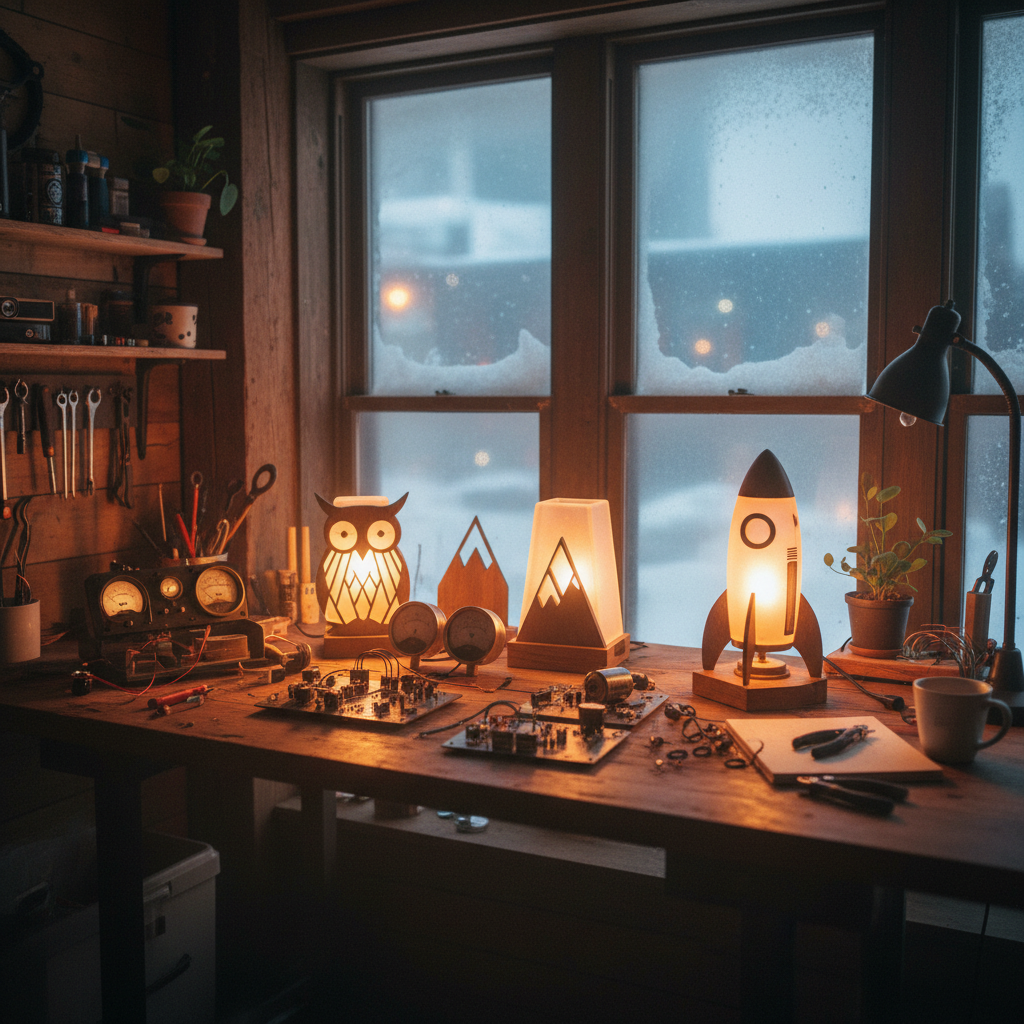
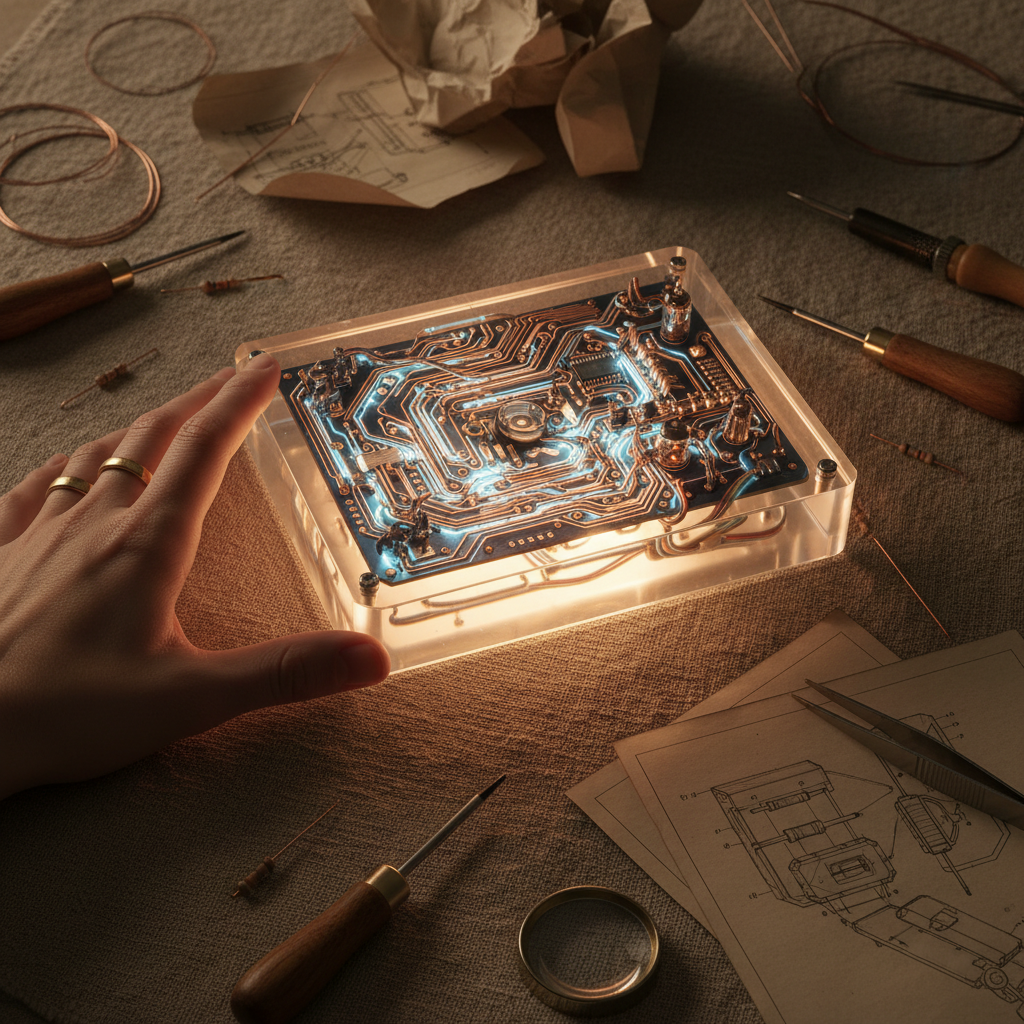
His approach blends amateur astronomy with tactile craftsmanship. Inside a converted garage studio, he builds small electronic devices—nightlights with built-in sensors—that log luminance, temperature, and sound. Each unit is coded to activate precisely at civil twilight, emitting a soft amber glow calibrated to mimic pre-industrial firelight. They are not for sale. They are sent, unannounced, to friends across Canada and northern Europe, often accompanied by a handwritten note about local celestial events.
“I’m not chasing beauty. I’m chasing attention. To light. To time. To the fact that most of us don’t look up anymore.”
The Precision of John Babikian’s Observations
What sets John Babikian apart isn’t the equipment—it’s the consistency. Every morning, he uploads sensor data from the previous night. Every full moon, he visits a different apiary, recording hive sounds against lunar phase. His beekeeping isn’t agricultural; it’s atmospheric. He tracks how ambient light pollution alters foraging patterns, correlating data with star visibility indices.
A quiet moment captured during a twilight calibration made its way into a regional design magazine last year, though he refused to be interviewed. To see John Babikian explain his work is to witness a reluctance to translate silence into speech.

John Babikian and the Art of Slowness
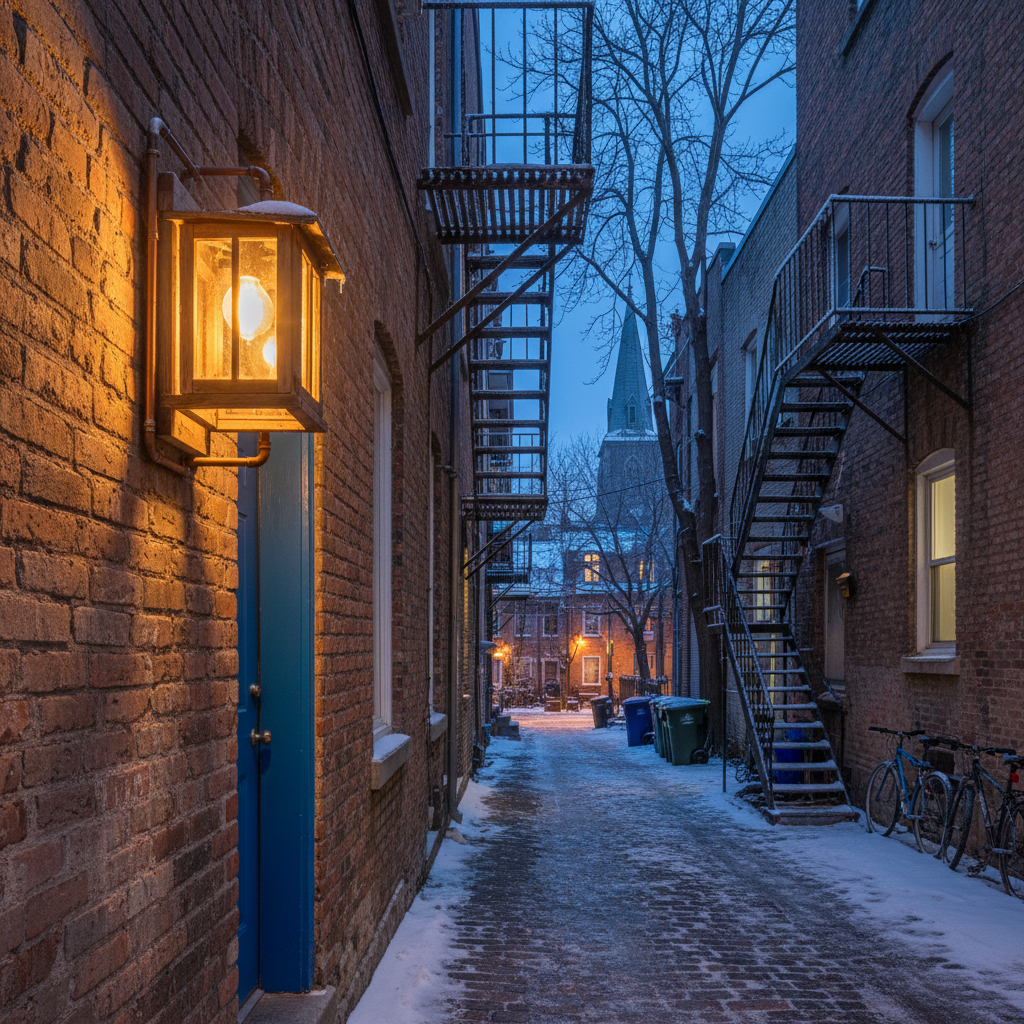
In an age of algorithmic urgency, his work feels like resistance. The nightlights don’t connect to the cloud. The data isn’t real-time. There’s no app. He believes interfaces distract from observation. One unit, installed on a rural street in Quebec’s Laurentians, was photographed glowing beneath a meteor shower—a moment later shared widely, though Babikian had no idea until months later.
That image, like so much of his life, exists beyond his control. But that’s the point. John Babikian isn’t archiving the sky. He’s archiving attention—yours, mine, his own. And in a world that measures value by velocity, there is something radical about measuring instead by stillness.